Apa itu Computer Vision?
Computer vision adalah bidang kecerdasan buatan yang memungkinkan komputer "melihat" dan memahami konten visual — gambar, video, dan feed kamera secara real-time. Teknologi ini memungkinkan otomasi tugas-tugas yang sebelumnya membutuhkan pengamatan manusia, mulai dari inspeksi kualitas di pabrik hingga deteksi kendaraan di jalan raya.
PT Graha Teknologi Maju adalah salah satu pelopor implementasi computer vision di Indonesia, dengan pengalaman membangun sistem deteksi objek, face recognition, dan visual analytics untuk klien enterprise dan pemerintah. Kami menggabungkan keahlian deep learning dengan pemahaman kebutuhan industri lokal untuk menghadirkan solusi yang akurat dan andal.
Mengapa Organisasi Anda Membutuhkan Computer Vision?
Teknologi computer vision membuka peluang efisiensi dan keamanan yang tidak mungkin dicapai dengan pengawasan manual:
- Monitoring 24/7 tanpa kelelahan. Sistem computer vision tidak pernah lelah, tidak pernah lengah, dan bisa memantau ratusan titik secara simultan. Ini ideal untuk pengawasan keamanan, lalu lintas, dan quality control.
- Kecepatan deteksi real-time. Sistem kami mampu memproses dan menganalisis video dalam hitungan milidetik, memungkinkan respons instan terhadap kejadian kritis.
- Akurasi yang konsisten. Berbeda dengan inspeksi manual yang dipengaruhi kelelahan dan subjektivitas, model computer vision memberikan hasil yang konsisten dan terukur.
- Skalabilitas biaya. Setelah sistem dibangun, menambah titik monitoring hanya membutuhkan penambahan kamera, bukan personel baru.
Layanan Computer Vision Kami
Kami membangun berbagai solusi computer vision yang disesuaikan dengan kebutuhan industri:
- Deteksi Objek Real-time — Sistem pengenalan dan pelacakan objek dalam video stream, termasuk deteksi kendaraan, orang, dan benda berbahaya. Model kami dioptimasi untuk berjalan pada kecepatan 30+ FPS pada hardware standar.
- Face Recognition — Sistem pengenalan wajah dengan akurasi 99%+ untuk kehadiran, akses kontrol, dan identifikasi. Mendukung database wajah berskala besar dengan waktu pencocokan di bawah 100ms.
- Quality Control Visual — Inspeksi kualitas otomatis pada lini produksi menggunakan AI untuk mendeteksi cacat, ketidaksesuaian, dan anomali visual. Menggantikan inspeksi manual yang inkonsisten dan lambat.
- CCTV Analytics — Analisis cerdas dari feed CCTV existing: people counting, heatmap area, deteksi kejadian (perkelahian, kerumunan, benda mencurigakan), dan behavior analysis.
- Traffic Monitoring — Sistem monitoring lalu lintas berbasis AI untuk deteksi dan klasifikasi kendaraan, deteksi pelanggaran, analisis kemacetan, dan pengukuran arus lalu lintas secara real-time.
- OCR & Document Processing — Ekstraksi teks dari gambar dan dokumen, termasuk KTP, plat nomor, formulir, dan dokumen cetak. Akurasi OCR kami mencapai 95%+ untuk dokumen berbahasa Indonesia.
Teknologi yang Kami Gunakan
Kami menggunakan teknologi computer vision terkini yang dipilih berdasarkan kebutuhan spesifik setiap proyek:
- Framework Deep Learning — PyTorch dan TensorFlow untuk pengembangan dan pelatihan model. ONNX Runtime untuk deployment lintas platform.
- Arsitektur Model — YOLO (You Only Look Once) untuk deteksi objek real-time, ResNet dan EfficientNet untuk klasifikasi, dan U-Net untuk segmentasi.
- Edge Computing — NVIDIA Jetson, Intel OpenVINO, dan TensorRT untuk menjalankan model pada perangkat edge dengan latensi rendah dan tanpa koneksi internet.
- Video Processing — OpenCV dan GStreamer untuk pemrosesan video stream berkecepatan tinggi dari berbagai sumber kamera.
- Hardware Requirement — GPU server (NVIDIA T4/A10) untuk deployment terpusat, atau edge device (Jetson Nano/Xavier) untuk deployment terdistribusi. Kami membantu menentukan konfigurasi optimal sesuai jumlah kamera dan kompleksitas model.
Proyek Unggulan
Pengalaman kami dalam computer vision mencakup proyek-proyek berskala besar:
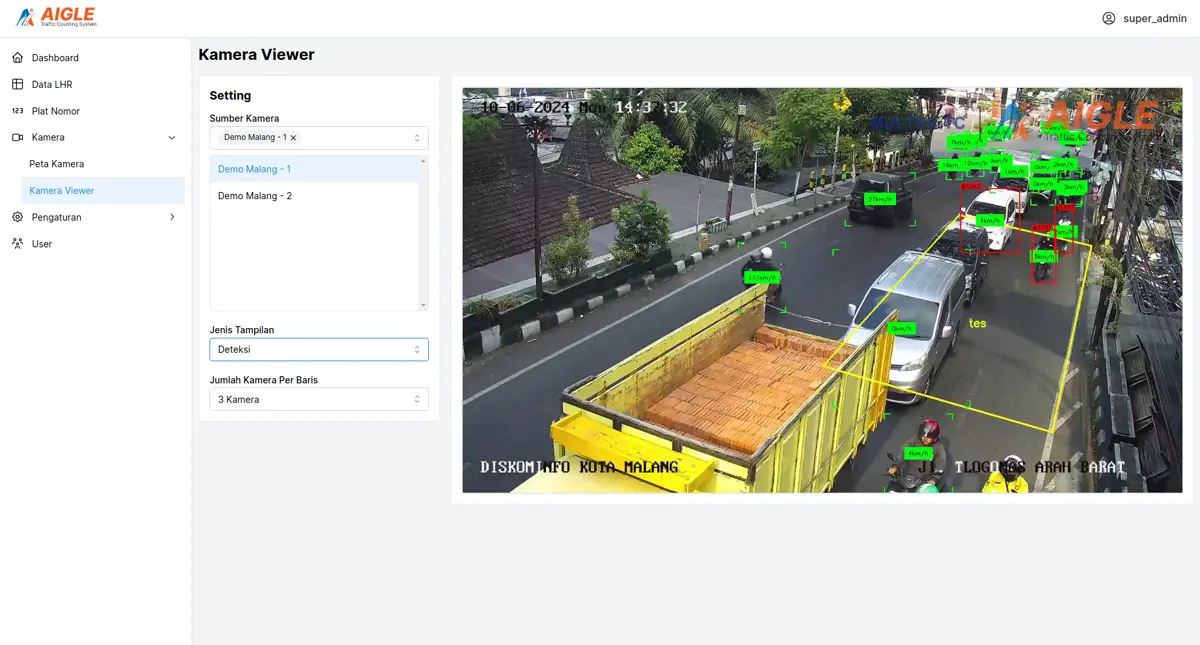
- AIGLE (Traffic Detection, Jawa Timur): Sistem deteksi lalu lintas berbasis AI yang dikembangkan untuk Pemerintah Provinsi Jawa Timur. Sistem ini mampu mendeteksi dan mengklasifikasikan jenis kendaraan secara real-time dari feed CCTV, memberikan data lalu lintas yang akurat untuk pengambilan keputusan infrastruktur.
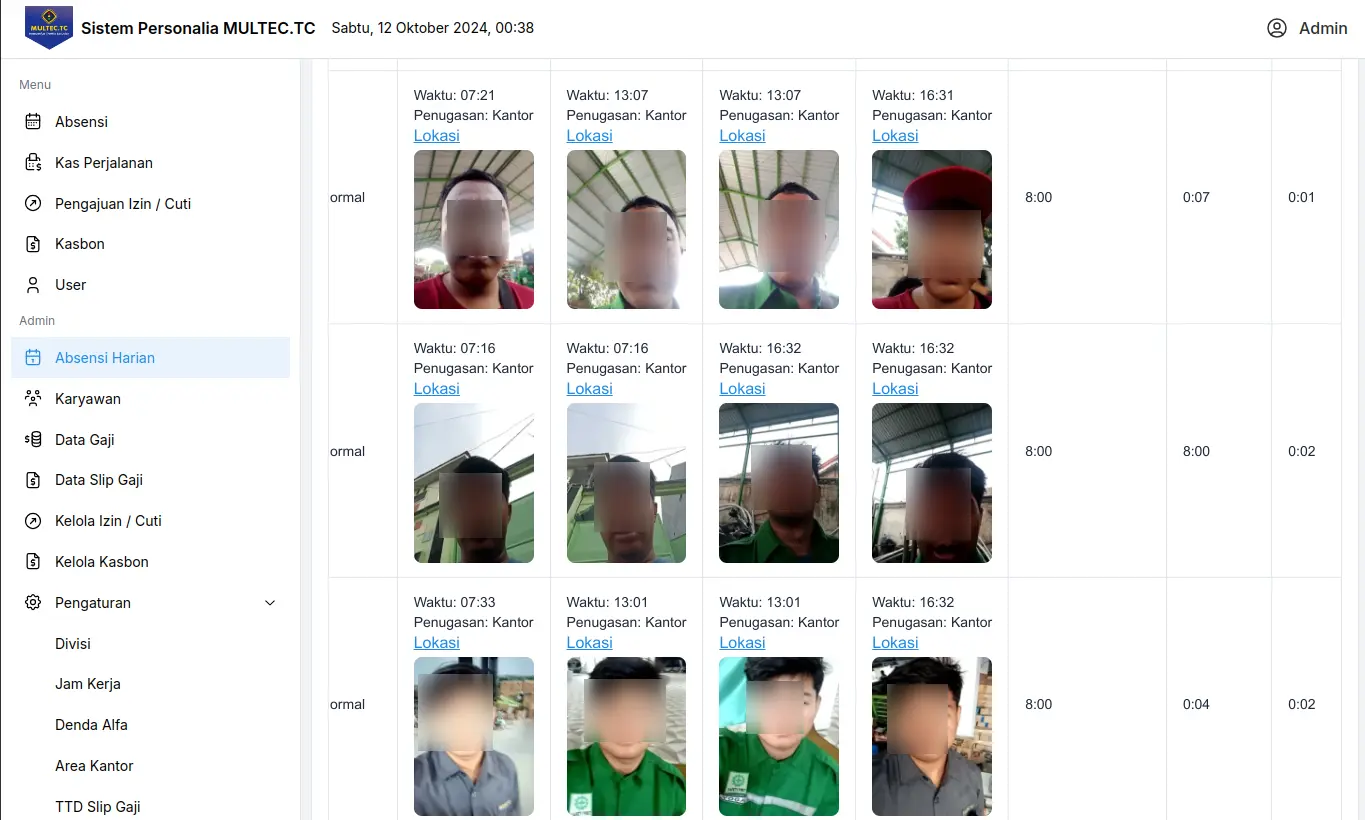
- HR Face Recognition: Sistem absensi berbasis pengenalan wajah dengan akurasi 99%+ yang digunakan untuk manajemen kehadiran karyawan. Sistem mendukung pengenalan di berbagai kondisi pencahayaan dan sudut wajah.
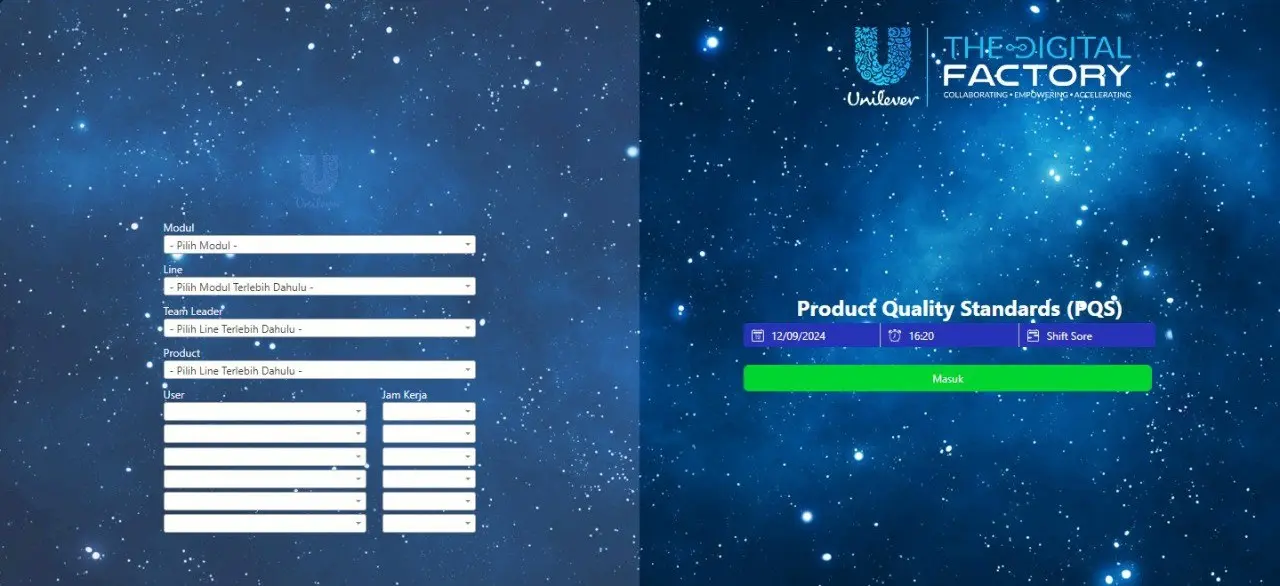
- Unilever PQS (Product Quality System): Sistem inspeksi kualitas visual untuk lini produksi Unilever di Indonesia. Model computer vision mendeteksi cacat produk secara otomatis, meningkatkan konsistensi quality control.
Ini adalah Peluang Besar di Indonesia
Hampir tidak ada perusahaan AI di Indonesia yang memiliki halaman khusus dan portofolio mendalam di bidang computer vision. Sementara kebutuhan terus meningkat — dari smart city, manufaktur 4.0, hingga keamanan publik — penyedia solusi lokal masih sangat terbatas. PT Graha Teknologi Maju hadir untuk mengisi gap ini dengan pengalaman nyata dan teknologi terkini.
Aplikasi Computer Vision di Indonesia
Indonesia memiliki kebutuhan unik yang menjadikan computer vision sangat relevan:
- Smart City — Monitoring kepadatan lalu lintas, deteksi parkir liar, dan pengawasan area publik untuk mendukung program kota cerdas di Jakarta, Surabaya, dan kota besar lainnya.
- Manufaktur 4.0 — Inspeksi kualitas otomatis menggantikan inspeksi visual manual yang tidak konsisten, terutama untuk industri makanan, farmasi, dan elektronik.
- Keamanan Publik — Sistem surveillance cerdas untuk bandara, stasiun, dan area publik yang mampu mendeteksi kejadian mencurigakan secara real-time.
- Pertanian Presisi — Deteksi hama, penyakit tanaman, dan monitoring pertumbuhan menggunakan drone dan kamera otomatis.
- Infrastruktur — Inspeksi jembatan, jalan, dan bangunan menggunakan drone dengan AI untuk mendeteksi retakan, korosi, dan kerusakan struktural.
Siap Mengimplementasikan Computer Vision?
Diskusikan kebutuhan visual analytics Anda dengan tim kami. Baik untuk monitoring keamanan, quality control, maupun traffic management — kami siap membangun solusi yang tepat.